

♥ Wishlist


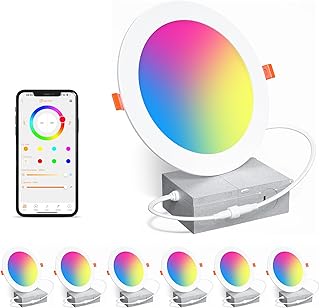


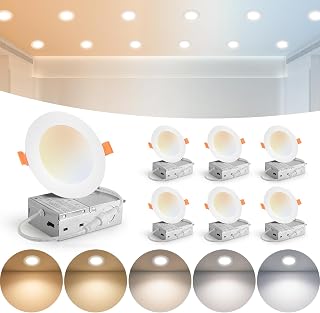


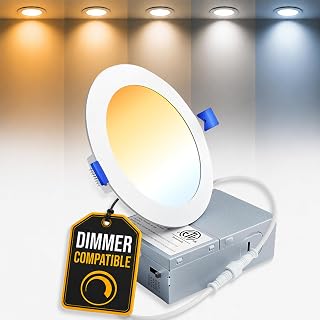


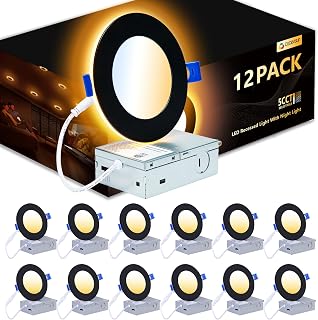


Recessed lighting is a practical choice for homeowners who want effective illumination with a streamlined appearance. Unlike pendant lamps, chandeliers or floor lamps that extend into a room, recessed lights are installed within the ceiling structure or designed for a low-profile finish. This makes them particularly useful when you want to maintain open sightlines, maximise usable space or create a modern interior look.
For Canadian homes, recessed lighting can be used throughout a wide range of rooms and layouts. Kitchen pot lights can provide focused illumination over work areas, while recessed fixtures in living rooms can create an even layer of general light. In bedrooms, hallways and home offices, they can provide useful ambient or task lighting without adding bulky fixtures. Multiple recessed lights can also be arranged to create a balanced lighting plan across a larger room.
The right recessed lighting depends on how the space is used. Kitchens often benefit from well-positioned fixtures over counters, sinks and preparation areas. Living rooms may use several ceiling lights to provide broad illumination, with dimmable options offering greater control when you want a softer atmosphere. Bedrooms can benefit from warmer light and carefully positioned fixtures, while hallways can use compact recessed lights to improve visibility without narrowing the walking area.
Recessed lighting can also work well in dining areas, basements, home offices, entryways and other spaces. Before purchasing, measure the room and consider where the lighting will be most useful. A lighting arrangement should support the activities performed in the room while complementing furniture placement and the overall interior design.
Recessed lights are available with different sizes, trims, finishes, light sources and installation configurations. Fixture size can affect both appearance and light distribution, so choose a format that suits the scale of the room and ceiling. Trim design is another important consideration because the visible portion of the fixture contributes to the finished appearance.
LED recessed lighting is a popular option because LED technology can provide efficient illumination in a compact format. When comparing LED fixtures, look at the stated brightness, colour temperature, beam characteristics, dimming compatibility and expected lifespan rather than choosing based on appearance alone. Warm white light can create a more relaxed atmosphere, while cooler light may suit work-focused spaces. The ideal choice depends on personal preference and the purpose of the room.
Canadian shoppers should also pay attention to installation requirements and product specifications before purchasing. Ceiling construction, insulation, moisture exposure and available electrical connections can affect which recessed fixture is appropriate. Certain applications may require fixtures specifically designed for insulated ceilings or damp locations. Always check the manufacturer's specifications and applicable local requirements before installation.
For renovation projects, replacing an existing fixture and installing recessed lighting in a new location can involve different considerations. New installations may require ceiling access, wiring work and suitable electrical boxes or housings. If you are unsure about electrical installation, consult a qualified electrician rather than relying solely on product appearance or general installation advice.
Start by deciding what you want the lights to accomplish. For general room illumination, consider how many fixtures are needed and how evenly they should distribute light. For task lighting, focus on the areas where additional visibility is required. For accent lighting, placement and beam direction can be more important than simply adding more fixtures.
Next, compare fixture dimensions, trim style, light colour, brightness, dimming support and installation type. Check the product specifications carefully to confirm compatibility with your ceiling and electrical setup. If you are replacing existing pot lights, measuring the current opening can help you identify compatible replacement sizes.
Shopping online makes it easier to compare recessed lighting styles and specifications before choosing fixtures for your project. Review product details carefully, including dimensions, installation requirements and included components. Consider buying fixtures that provide the type of light and appearance you need rather than selecting solely on price or design.
Whether you are updating a single room or planning lighting throughout a home, recessed lighting can provide a versatile foundation for a modern lighting scheme. By matching the fixture type to the room, ceiling and intended use, you can create a practical and visually consistent lighting setup for everyday living.
Explore recessed lighting for a clean, space-saving way to brighten kitchens, living rooms, bedrooms, hallways, offices and other areas of your home. Also known as pot lights or can lights, recessed fixtures sit within or close to the ceiling to provide useful illumination without taking up wall or floor space. When choosing recessed lighting in Canada, consider the room, ceiling type, desired brightness, colour temperature, trim style, installation requirements and compatibility with existing electrical systems.